
Key takeaways
- Choose the Okavango Delta for water-based mokoro safaris and remote fly-in camps; choose Chobe for dense dry-season elephant herds and road access via Kasane.
- The Okavango Delta became the 1,000th UNESCO World Heritage Site on 22 June 2014 and swells from about 6,000 km2 to 15,000 km2 at peak flood.
- Northern Botswana held roughly 126,114 elephants in the 2018 aerial survey, the largest surviving population on the continent.
- Mobile group camping runs several hundred dollars per person per night; luxury fly-in lodges can exceed 2,000 dollars, so most groups combine both.
- A 7 to 10 night trip pairing 3 nights in Chobe with 4 to 5 nights in the Delta gives groups the strongest mix of volume sightings and wilderness exclusivity.
Pick Chobe for high-volume elephant sightings and easy road access, and pick the Okavango Delta for remote, water-based safaris in a roadless wilderness. Both sit in northern Botswana, both deliver the Big Four reliably, but they reward different travel styles, budgets and group sizes. This Okavango Delta vs Chobe comparison lays out the operational realities so your group books the right region, or combines both in one itinerary.
The short version sits in the table below. The detail, including flood timing, aircraft luggage limits, group pricing bands and named local waterways, fills the rest of this guide.
Okavango Delta vs Chobe at a Glance
| Parameter | Okavango Delta | Chobe National Park |
|---|---|---|
| Core experience | Water-based safari (mokoro, boat, walking) | River cruises and 4×4 game drives |
| Access | Light-aircraft charter from Maun | Road transfer or short flight to Kasane |
| Signature wildlife | Wild dog, leopard, red lechwe, hippo | Massive elephant and buffalo herds |
| Landscape | Flooded channels, lily lagoons, island camps | Chobe Riverfront, floodplains, dry woodland |
| Lodging mix | Remote fly-in camps, mobile luxury camping | Riverfront lodges, town hotels, mobile camps |
| Group logistics | Strict 15-20 kg soft-bag limit on aircraft | Fewer luggage limits, chauffeured 4×4 road routes |
| Best months | May to September (peak flood June to August) | May to October (dry season) |
| Typical nightly cost | Higher, driven by fly-in exclusivity | Broader range, town hotels to luxury lodges |
Savanna Safaris builds most Botswana itineraries around this split, routing groups through Chobe first for guaranteed volume, then deeper into the Delta for exclusivity.
What Are the Landscape and Wildlife Differences?
The Okavango Delta is a flooded inland wetland, while Chobe is a river-fed mix of floodplain and dry woodland, and that single difference drives everything else. The Delta became the 1,000th UNESCO World Heritage Site on 22 June 2014, recognized as one of the planet's largest intact inland deltas (UNESCO, 2014).
The Delta is a maze of permanent and seasonal channels, papyrus beds and palm islands. Water shapes the wildlife. You find red lechwe splashing through floodplains, sitatunga hiding in reed beds, and some of Africa's best odds for endangered African wild dog. Moremi Game Reserve, which protects the Delta's eastern third, anchors most land-based game drives.
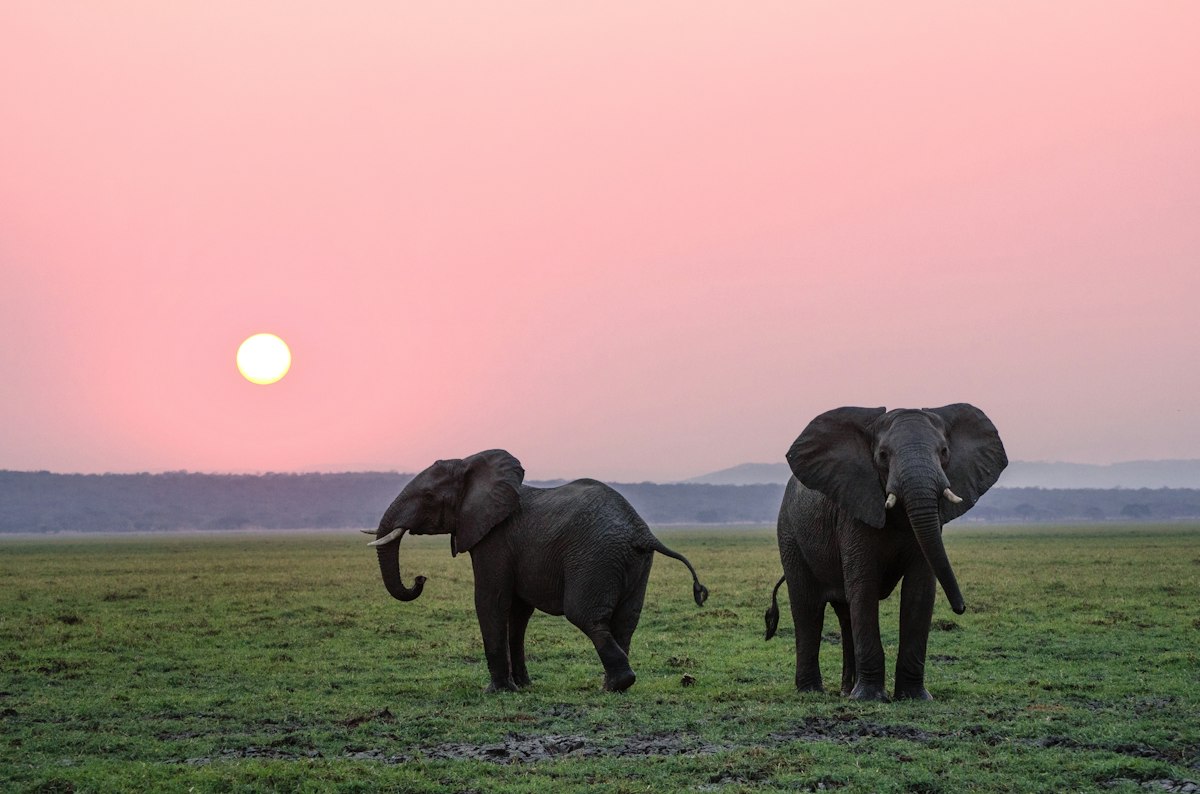
Chobe reads differently. The Chobe Riverfront draws enormous dry-season concentrations of elephant and buffalo to drink, while the interior Savuti Channel and Linyanti marshes hold lion prides famous for hunting large prey. Game sits in the open, easy to spot and photograph from a vehicle or boat.
For a closer look at the Delta's eastern core, our Moremi Game Reserve wildlife guide covers the reserve's predator density and best drive routes.
Negative constraint worth stating plainly: neither region reliably delivers rhino. Botswana's rhino live under heavy protection in restricted zones, so no honest operator promises them. Groups chasing the full Big Five should set that expectation before booking.
Mokoro Safaris in the Delta vs River Cruises in Chobe
The Delta's signature activity is the mokoro, a shallow dugout canoe poled through lily-covered channels, while Chobe's is the motorized river cruise along the Chobe River. Both put you on water, but the pace and purpose differ sharply.
A mokoro glides in near silence. Your poler, often a guide raised in the Khwai Community Area, steers through narrow papyrus passages where no vehicle reaches. You drift past frogs, reed-dwelling birds and elephants wading between islands. The experience is slow, intimate and low-impact. Group size per mokoro is strictly two guests plus one poler, so a party of eight needs four boats and four polers moving in formation.
Chobe river cruises run on larger motorboats seating 8 to 20 guests. They cover distance, tracking elephant herds that cross from the Caprivi floodplains, hippo pods and crocodiles on sandbars. Sunset cruises are a Chobe institution, with photographers shooting backlit elephants against the water.
Operational realities for groups:
- Mokoro trips depend on water levels. In low-flood years, some channels dry out and poling shifts to deeper lagoons only.
- Weight matters in a mokoro. Polers balance two adults; oversized camera cases and heavy daypacks unsettle the craft.
- River cruises run year-round in Chobe because the river is permanent, giving Chobe an edge for water activity in the green season.
Elephant Encounters: Where Do Numbers and Sightings Peak?
Chobe is the better bet for sheer elephant volume, while the Delta offers fewer animals in a wilder, less crowded setting. Northern Botswana held roughly 126,114 elephants in the 2018 aerial survey, statistically unchanged from 129,939 counted in 2014 and the largest surviving population on the continent (Elephants Without Borders, 2018).
Within that total, the same survey counted about 15,404 elephants inside Chobe National Park in 2018. During the dry season, thousands funnel toward the Chobe Riverfront each afternoon to drink, producing the breeding-herd gatherings the park is known for. Few places on earth concentrate elephants like the Chobe riverbank in September and October.
The Delta spreads its elephants across a vast roadless area. You see them crossing channels, feeding on islands and swimming between feeding grounds, often one herd at a time with no other vehicle in sight. The reward is solitude and behavior, not head count.
For the full picture on Chobe's elephant seasons and riverfront logistics, read our Chobe National Park safari guide, which maps the daily herd movements to the river.
A planning note on behavior: elephant bulls in musth are more unpredictable and common in the dry-season concentrations. Experienced guides, a Savanna Safaris standard across both regions, read ear position and posture to keep groups at safe distances.
How Do Accommodation Styles and Costs Compare?
The Delta skews toward remote fly-in camps at higher nightly rates, while Chobe offers a wider spread from town hotels in Kasane to luxury riverfront lodges. Group budgets usually dictate the balance between the two.
In the Delta, most camps sit on private concessions reachable only by light aircraft. That exclusivity raises cost. Options range from serviced mobile camping, where a crew pitches and strikes meru tents as your group moves, to permanent luxury lodges with plunge pools and private decks. Luxury fly-in lodges can exceed 2,000 dollars per person per night in peak season, which is why hybrid itineraries matter for groups.
Chobe gives you flexibility. Kasane town offers mid-range hotels and self-drive access. Riverfront lodges deliver comfort without the fly-in premium because you can reach them by road. Mobile camping operators also run group trips through the Savuti and Linyanti interior.
Hybrid configurations that work well for groups:
- Group Camping plus Lodge Safari. Camp in Chobe's interior for adventure and value, then finish in a Delta lodge for comfort. The contrast suits mixed-budget parties.
- Group Luxury Camping. A private mobile crew moves meru tents, chef and vehicles between Delta and Chobe concessions, giving exclusivity without permanent-lodge prices.
- Combined Camping and Lodge Safari. Alternate nights to balance cost, so a 10-night trip might run 4 camping and 6 lodge nights.
Group size itself moves the price. Private mobile camps and vehicles have fixed crew and fuel costs, so a party of eight often pays less per head than a couple booking the same private setup. Many camps also hold a free place for a group leader above a set headcount, usually around 10 to 12 paying guests. Peak-season beds in the best Delta camps sell out 10 to 12 months ahead, so a firm group deposit early protects both availability and rate.
Negative constraints to plan around in remote bush camps:
- Power is limited. Many Delta camps run on solar with set generator hours. Fast-charging 10 camera batteries overnight is often not possible.
- Connectivity is thin. Expect little to no mobile signal in Delta concessions. Chobe lodges near Kasane keep you connected.
- Mobile camping is physical. Shared ablutions, bucket showers and early strikes are the trade-off for getting deep into roadless areas.
To weigh full package structures against group size and budget, our guide to choosing Botswana safari packages breaks down how group size and budget map to each option.
When Is the Best Season to Visit Each Destination?
Visit the Delta from May to September when floodwaters peak, and visit Chobe from May to October during the dry season. The two peaks overlap enough that one dry-season trip can hit both at their best.
The Delta runs on a counterintuitive cycle. Rain falls in the Angolan highlands months earlier, then arrives as floodwater during Botswana's dry winter. The wetland swells from roughly 6,000 square kilometers to about 15,000 at full flood, roughly tripling in size (World Atlas, 2024). Peak water arrives June through August, exactly when mokoro channels run deepest and widest.
Chobe peaks in the same window for a different reason. As seasonal pans dry out from May onward, wildlife crowds the permanent Chobe River. By September and October the riverfront concentrations hit their maximum, though heat climbs sharply before the November rains.
Season-by-season breakdown:
- May to June. Flood rising in the Delta, game building at Chobe's river. Mild temperatures, thinner crowds, strong value.
- July to August. Peak flood and peak Delta mokoro season. Highest demand and prices across both regions.
- September to October. Prime Chobe elephant concentrations, excellent Delta drives, but hot and dusty.
- November to April. Green season. Lush scenery, newborn animals, migratory birds, lower rates, but some camps close and Delta water activities can be limited by low flood.
Green-season travel suits budget-focused groups and birders. Set expectations: afternoon storms, thicker vegetation and harder big-cat spotting are part of the trade.
For a month-by-month view of flood timing, our guide to the best time to visit the Okavango Delta breaks the flood down month by month.
How Do You Reach Each Region as a Group?
Chobe is reachable by road through Kasane, while the Delta's camps require light-aircraft charters from Maun, and that distinction reshapes group logistics and luggage. Getting the transfer model right prevents the most common group-trip headaches.
For Chobe, groups commonly drive or fly into Kasane, then transfer to riverfront lodges by chauffeured 4×4. Road access means fewer weight limits, so photographers and families can bring full gear and hard cases. Kasane also sits near the Zambezi, making add-ons like Victoria Falls straightforward.
For the Delta, Maun is the gateway. From there, light aircraft hop to bush airstrips serving individual concessions. Charters carry small groups per plane, so a party of 12 often splits across multiple flights timed to arrive together.
Light-aircraft constraints every group must respect:
- Luggage cap of 15 to 20 kg per person, in a soft-sided duffel. Hard suitcases are refused outright.
- Weight-limited seats. Operators may request passenger weights to balance small aircraft.
- Storage in town. Leave excess bags secured in Maun or Kasane and collect them after.
Packing light is not optional on a Delta fly-in. Our Botswana safari packing checklist covers soft-bag strategy and what to leave behind.
Two more logistics points groups underestimate. Both regions sit in a malaria zone, so prophylaxis and repellent are standard; risk is lower in the dry winter peak but never zero. Park and concession fees also differ in structure. Chobe charges daily national-park entry per person, while Delta private concessions fold access into the nightly rate, which makes Delta pricing look higher at first glance even when the all-in cost is comparable. Factor both into any group quote before comparing headline per-night numbers.
What Activities Beyond Game Drives Set the Regions Apart?
Beyond the headline mokoro and river cruise, each region runs distinct activities that shape a group's daily rhythm. Matching these to your party's energy and interests matters as much as the wildlife itself.
The Delta's concession model unlocks activities that national parks forbid. On private land, operators run guided walking safaris, letting small groups track on foot with an armed guide reading spoor. Night drives with spotlights reveal leopard, civet, genet and aardwolf after dark. Catch-and-release fishing for tigerfish runs on deeper channels. These off-vehicle options suit active groups willing to split into small units.
Chobe, as a national park, restricts off-road and night driving in its core. The trade-off is scale. Full-day drives from Kasane cover the riverfront and the Savuti interior, and photographic boat hides let groups shoot at water level. Day trips to Victoria Falls, under two hours by road, slot easily onto a Chobe stay, something the remote Delta cannot offer.
Guide and chef specialties worth asking about:
- Mokoro polers from Khwai often know individual leopards and resident wild dog packs by sight, a depth of local knowledge that generic drives miss.
- Mobile camp chefs cook full three-course dinners on open coals, including fresh bread baked in a cast-iron pot buried in embers. Dietary requirements need flagging at booking, since remote resupply is impossible mid-trip.
- Specialist birding guides matter in both regions during green season, when migratory species push the Delta's bird list past 400 species.
Group pacing reality: walking and night drives in the Delta often run with a maximum of six to eight guests per guide, so a party of twelve splits into two units with staggered start times. Build that into the daily plan rather than expecting the whole group to move as one.
Which Region Suits Your Group's Travel Style?
Match the region to how your group travels, not to a generic best-of ranking. The right choice depends on mobility, budget spread, photography goals and appetite for roughing it.
Pick the Okavango Delta if your group wants:
- Remote, low-density wilderness with few other vehicles.
- Water-based activity: mokoro, boating and walking safaris.
- Strong odds for wild dog and classic island-camp exclusivity.
- A willingness to accept fly-in luggage limits and thin power.
Pick Chobe if your group wants:
- Guaranteed high-volume elephant and buffalo sightings.
- Road access, fewer luggage restrictions and easier mixed-mobility travel.
- A broader price range, including value lodges and town hotels.
- Year-round boat cruising and simple Victoria Falls add-ons.
Mixed groups rarely fit one box. A party combining keen photographers, a budget-conscious couple and older travelers who dislike small aircraft often lands on a Chobe-weighted trip with a short Delta extension. Honest matching upfront, rather than selling the priciest option, is how Savanna Safaris keeps group satisfaction high.
How Do You Combine Both for the Ultimate Botswana Safari?
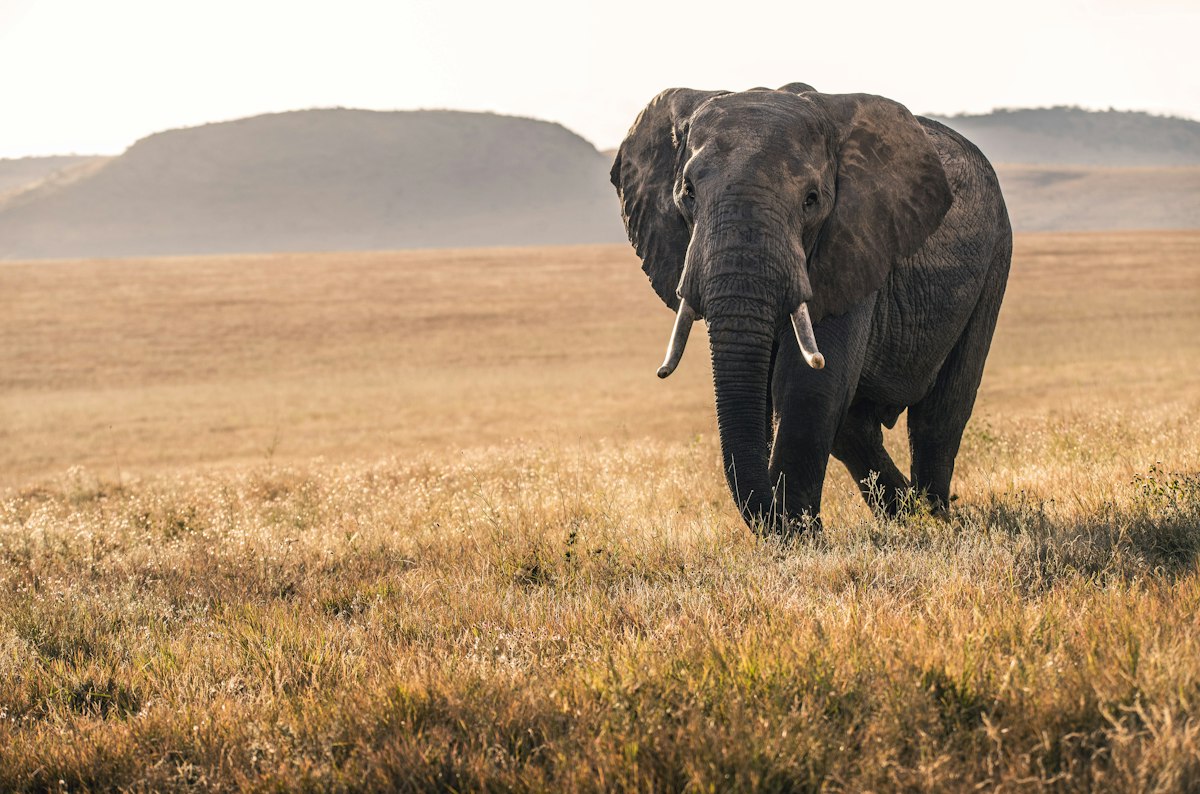
Combine the two by spending 3 nights in Chobe and 4 to 5 nights in the Delta, linked by a single light-aircraft charter, for a trip that delivers both volume and exclusivity. Most serious Botswana itineraries use this structure because neither region alone covers every safari ambition.
A proven 8-night group framework:
- Nights 1 to 3: Chobe. Fly or drive into Kasane. Riverfront lodge or interior camp. Daily game drives and sunset river cruises. Bank your elephant and buffalo volume here.
- Travel day: charter to the Delta. A light aircraft from Kasane or via Maun drops you at a concession airstrip. Enforce the soft-bag luggage limit from day one.
- Nights 4 to 8: Okavango Delta. Fly-in camp or luxury mobile camping. Mokoro, walking safaris and open-vehicle drives in Moremi or a private concession.
Why the sequence works. Starting in Chobe gives nervous first-timers easy wins and road access before committing to small aircraft. Finishing in the Delta ends the trip on its most exclusive, memorable note.
Logistics to lock early:
- Book charters as a block so a large group flies together, not scattered across days.
- Align camp changeover times with flight schedules; Delta strips have no terminal and short operating windows.
- Budget for the hybrid, mixing Chobe value nights with Delta premium nights to control the overall per-person cost.
Cross-border extensions strengthen the combined trip. Because Chobe sits near the meeting point of four countries, a group can tack on two nights at Victoria Falls in Zambia or Zimbabwe at the Chobe end, then fly out of Maun after the Delta leg. This one-way routing avoids backtracking and keeps charter legs short. Confirm multi-entry visa needs early, since several nationalities require them for the Zambia or Zimbabwe side trip.
Groups wanting to benchmark Botswana against other destinations can review our roundup of the best safari tours in Africa before committing.
Making the Call
Your next step is simple: list your group's non-negotiables, water-based activity, elephant volume, budget ceiling, mobility needs, then map them against the two regions above. If one region clearly wins on your top two priorities, build around it. If priorities split across the group, the Chobe-plus-Delta combination almost always resolves the tension.
Send Savanna Safaris your group size, travel dates and that priority list, and we will draft a hybrid camping-and-lodge itinerary with charter timings, luggage guidance and a transparent per-person cost before you commit a deposit.
Frequently asked questions
Is the Okavango Delta or Chobe better for a first safari?
Chobe suits first-timers who want high-volume, reliable dry-season sightings and easy road access from Kasane. The Okavango Delta rewards travelers wanting remote, water-based exclusivity. Groups short on time often start in Chobe, then fly into the Delta.
Can you see the Big Five in both the Okavango Delta and Chobe?
Both hold lion, leopard, elephant and buffalo. Rhino are rare and restricted to protected zones in both regions, so no safari guarantees them. The Delta offers stronger wild dog odds; Chobe delivers the densest elephant and buffalo concentrations.
How many days do you need to combine Okavango and Chobe?
Plan 7 to 10 nights minimum. A common structure is 3 nights in Chobe and 4 to 5 nights in the Delta, linked by a short light-aircraft charter transfer. Fewer than 6 nights forces rushed transfers and thin game-viewing time.
What is the luggage limit for flying into Okavango Delta camps?
Light-aircraft charters into Delta airstrips typically cap luggage at 15 to 20 kg per person in a soft-sided bag. Hard suitcases are refused. Groups should pack soft duffels and arrange secure storage in Maun or Kasane for excess bags.


