
Key takeaways
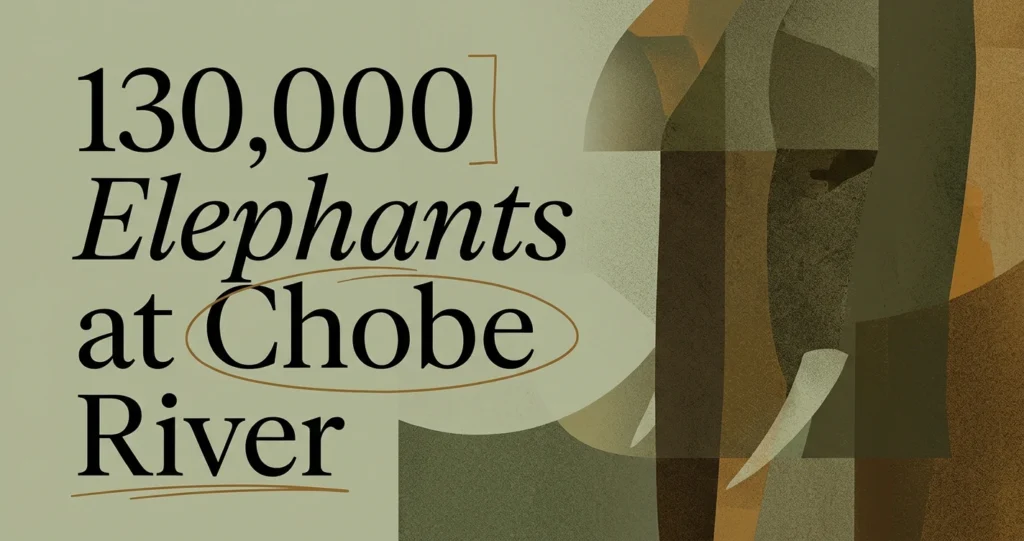
- Botswana holds roughly 130,000 elephants, the largest population of any country, and the Chobe riverfront concentrates them in the dry season (Elephants Without Borders, 2024).
- A Chobe safari runs on two engines: Chobe River boat cruises for close water-level sightings and 4×4 game drives for Savuti and Linyanti predators.
- May to October is peak riverfront season; November to April disperses the herds inland but brings green landscapes, migratory birds, and lower group rates.
- Kasane sits about 1.5 to 2 hours by road from Victoria Falls, making a combined trip one border crossing away.
- Hybrid group trips that mix mobile camping in Savuti with a riverfront lodge give you both raw bush and reliable comfort in a single itinerary.
A Chobe National Park safari puts you in front of the densest elephant herds in Africa, with Savuti lions and hippo pods filling out the cast. Plan it around two activities, a Chobe River boat cruise and a 4×4 game drive, and time your visit for the May to October dry season if elephants are the priority.
This guide covers why the herds gather here, the activities that work, the three zones worth knowing, the wildlife you can realistically expect, when to go, and how to bolt Victoria Falls onto the same trip. It also lays out the group logistics that trip up first-time planners: luggage limits on bush flights, power realities in remote camps, and how hybrid camping-plus-lodge itineraries fit together.
Why Chobe Holds So Many Elephants
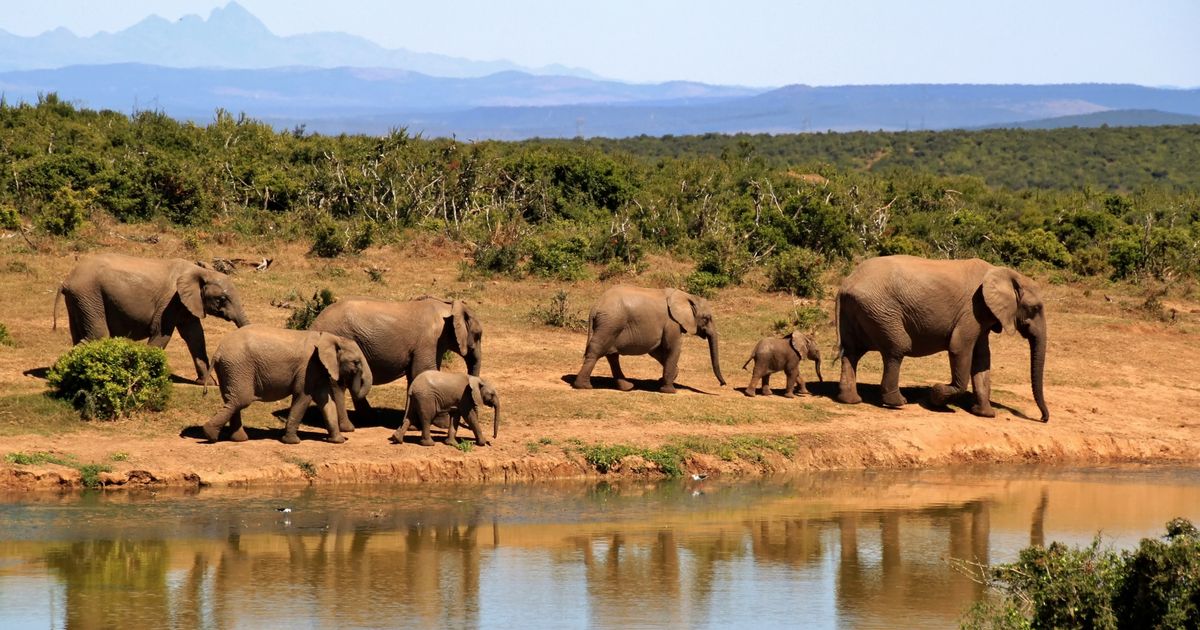
Botswana holds roughly 130,000 elephants, the largest elephant population of any country on earth, according to a 2024 technical report from Elephants Without Borders. A large share of that population moves through the greater Chobe ecosystem, and in the dry months the riverfront becomes the single most reliable place in Africa to watch elephants at close range.
The reason is water. Chobe sits in Botswana's dry north, where surface water vanishes as the dry season deepens. The Chobe River runs permanently, so it acts as a magnet. Herds that scatter across hundreds of kilometers of mopane woodland in the wet season funnel back toward the river by July.
The same report found that elephant numbers across northern Botswana stayed essentially unchanged between 2010 and 2022. For a planner, that stability matters: the spectacle you read about is not a one-off good year. It is a repeatable, season-driven event you can book around.
Chobe also sits inside the Kavango-Zambezi Transfrontier Conservation Area, a five-country block that held roughly 228,000 elephants as of 2022 (Elephants Without Borders, 2024). Elephants cross borders freely here. The animals you watch on the Chobe riverfront in the morning may have walked in from Namibia's Caprivi Strip overnight.
What Are the Top Activities on a Chobe Safari?
A Chobe National Park safari runs on two engines: the river and the road. The Chobe River boat cruise delivers water-level sightings that no land vehicle can match, while the 4×4 game drive reaches inland zones the boats cannot. Most quality itineraries pair both every day, a cruise in the late afternoon and a drive at dawn.
The Chobe River Boat Cruise
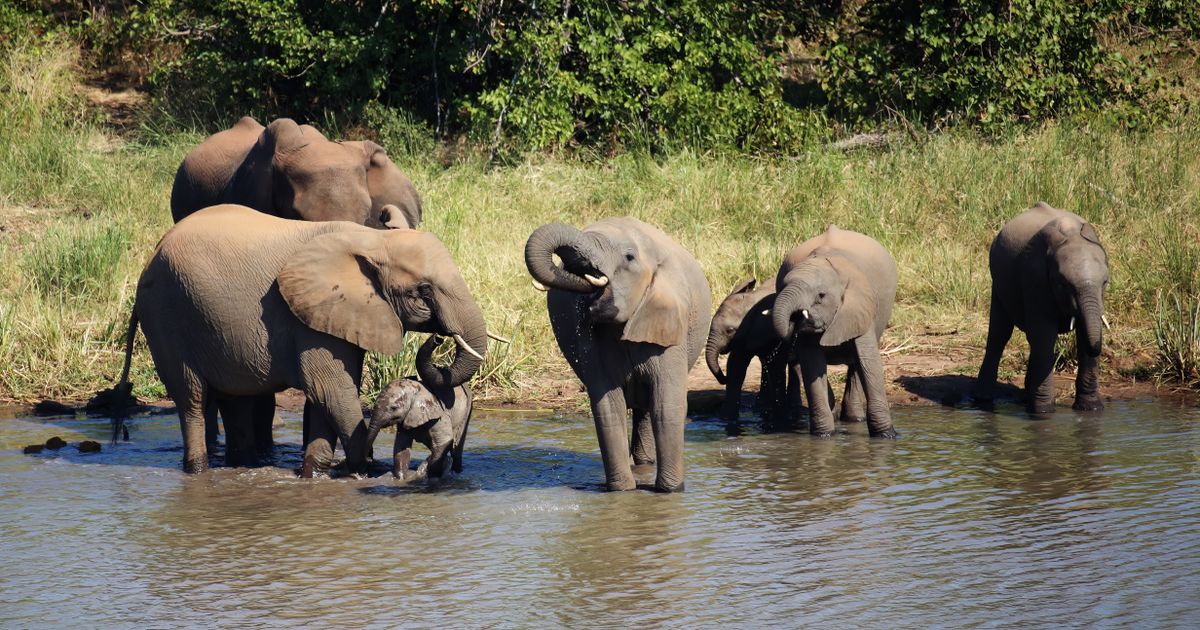
The boat cruise is the signature Chobe experience. You board a flat, stable craft near Kasane and move slowly along the riverfront, often within meters of elephants wading and drinking. Hippos surface beside the hull. Crocodiles bask on the sandbars. Fish eagles and carmine bee-eaters work the banks.
Afternoon departures are the standard. The light softens, the heat drops, and elephants come down to drink in the golden hour. For groups, the boat is also the great equalizer: nobody is stuck in a middle seat with a blocked view, and photographers get a low, eye-level angle that land vehicles cannot give.
Some operators on the riverfront now run quiet electric boats, which drift closer to skittish wildlife without engine noise. Ask whether your package includes a small-group boat or a larger shared vessel, because the difference in sightings quality is real.
The 4×4 Game Drive
Open 4×4 vehicles handle the land half of the park. Morning drives leave at first light, when predators are still active and the air is cool. Drives explore the riverfront floodplain near Serondela and, on longer itineraries, push south into Savuti or northwest into Linyanti.
For a group, the vehicle configuration is the detail to confirm. A standard open 4×4 seats six to nine guests. Private group vehicles cost more but let you set your own pace, linger at a lion kill, and avoid the convoy feeling that busy riverfront roads can produce in peak season.
The Three Key Zones Inside Chobe
Chobe splits into distinct zones, each with its own character and logistics. The riverfront near Serondela is the accessible, elephant-dense core. Savuti, to the southwest, is the predator theater. Linyanti, in the northwest, is the remote wetland wilderness. Picking the right mix is the central planning decision.
Serondela and the Chobe Riverfront
The riverfront is where most first-time visitors concentrate, and for good reason. It is the most accessible zone, reachable by road from Kasane in under an hour, and it holds the heaviest dry-season elephant and buffalo numbers. Permanent lodges line this stretch, so it suits groups who want comfortable beds and daily boat access.
This zone is the natural anchor for a hybrid itinerary. Base a group here in a riverfront lodge for the elephants and cruises, then transfer out to a wilder camp for the predator experience.
Savuti: The Predator Zone
Savuti sits in the park's southwest, built around a marsh fed by the temperamental Savuti Channel. The channel has a documented habit of drying up for decades and then flowing again, which keeps the ecosystem in flux. Savuti is famous for lions that hunt buffalo and, in some prides, young elephants. Spotted hyena clans are large and bold here.
Savuti is drive country, not boat country. Access is by 4×4 track or light-aircraft charter. For groups, this is where mobile camping earns its place: a tented camp puts you inside the action for the dawn and dusk predator windows.
Linyanti and Kwando
The Linyanti region, in the far northwest along the border with Namibia, is the remote end of the spectrum. Papyrus-fringed wetlands, high wild dog activity, and strong birding define it. Camps are few and small, which keeps vehicle traffic low and the wilderness feeling intact.
Linyanti rewards groups willing to trade convenience for exclusivity. It is further from Kasane, so most itineraries reach it by chartered light aircraft rather than a long road transfer.
What Wildlife Can You Expect to See?
Beyond the elephants, a Chobe safari delivers the full large-mammal roster: lion prides, buffalo herds in the hundreds, hippo pods, and, with patience, leopard and wild dog. The riverfront and Savuti offer different casts, so covering both widens your species list considerably.
Expect these as realistic sightings across a three to four night stay:
- Elephants: Dense riverfront herds in the dry season, including large breeding groups with calves.
- Lions: Reliable in Savuti; present but more scattered on the riverfront.
- Buffalo: Big herds along the floodplain, a core prey base for the lions.
- Hippo and crocodile: Consistent on every river cruise.
- Antelope: Red lechwe on the floodplain, plus impala, kudu, and sable in the woodlands.
- Birds: Hundreds of recorded species across the park, with African fish eagles and kingfishers common on the water.
Leopard and wild dog are the harder prizes. Leopard sightings happen but depend on luck and a sharp-eyed guide. Wild dog packs range widely, so Linyanti gives you the best odds. An honest operator will set these expectations before you book rather than promising a guaranteed checklist.
The Best Season for Riverfront Sightings
May to October, the dry season, is the best window for riverfront game viewing because receding water forces elephants and buffalo to the Chobe River in enormous numbers. July through October is the peak, when the vegetation thins and animals crowd the banks. The green season, November to April, scatters wildlife inland but brings its own rewards.
The two seasons serve different travelers:
- Dry season (May to October): Peak wildlife density on the river, cool mornings, almost no rain, and the easiest photography. It is also the busiest and most expensive period, so book group space early.
- Green season (November to April): Lush landscapes, newborn animals, migratory birds arriving by the thousand, and lower rates. Wildlife is more dispersed and harder to find, and some interior tracks turn to mud.
For a group fixed on the classic elephant-at-the-river image, aim for August or September. For a group weighing budget and birding against sheer animal numbers, the shoulder months of May and November often balance cost and sightings well.
How Do You Combine Chobe With Victoria Falls?
Kasane, the gateway town to Chobe, sits roughly 1.5 to 2 hours by road from Victoria Falls, so pairing the two is one border crossing away. The standard structure is a Chobe safari of two to three nights followed or preceded by one to two nights at the Falls, linked by a short road transfer across the Kazungula border.
The 2021 opening of the Kazungula Bridge simplified the crossing between Botswana and Zambia, adding routing flexibility alongside the long-standing crossing into Zimbabwe. Most groups still enter Victoria Falls town on the Zimbabwe side, where the viewpoints and activities cluster.
A common three-country loop runs Victoria Falls, then Chobe, then a flight south into the Okavango Delta. If the Delta is on your list, our guide to the best time to visit the Okavango Delta for a safari explains how its flood season differs from Chobe's dry-season peak, which matters when you sequence the two.
How Should a Group Plan the Logistics?
Group logistics make or break a Chobe trip, and the two decisions that matter most are how you move between zones and how you balance camping against lodges. Light-aircraft charters save days but impose strict luggage limits, while road transfers are cheaper but slower. Getting this right up front prevents expensive surprises.
Light Aircraft Versus Road Transfers
Reaching Savuti or Linyanti from Kasane means either a long 4×4 road route or a short charter flight. Charters turn a half-day drive into a 30 to 45 minute hop, which is why most multi-zone group itineraries use them.
The trade-off is luggage. Light aircraft serving Botswana's bush strips typically cap baggage at around 20 kg per person in a soft-sided bag, no hard suitcases. Communicate this to every group member before they pack. A group that shows up with rigid roller cases at a bush airstrip creates a genuine problem the pilot cannot solve.
Camping Versus Lodge: The Hybrid Model
The most effective group structure in Chobe mixes mobile camping with a permanent lodge rather than choosing one. A typical hybrid runs like this:
- Mobile camping in Savuti (2 to 3 nights): A private group camp set up ahead of your arrival, with en-suite tents, a dedicated chef, and nightly campfires. This puts you inside the predator zone for dawn and dusk.
- Riverfront lodge near Serondela (2 to 3 nights): Solid walls, reliable power, a pool, and boat cruises on the doorstep. This is the comfort half of the trip and the elephant-viewing core.
Group luxury camping sits between the two. It delivers the immersive bush-camp feel with upgraded tents, proper beds, and a private chef, but it still carries the honest constraints of a remote camp.
Those constraints are worth stating plainly. Remote bush camps run on solar and generators, so power is limited: expect to charge cameras and phones at a central point rather than at every bedside, and do not count on hair dryers or air conditioning. Mobile camps move, so the structure is canvas and the plumbing is simple. Groups who understand this before departure enjoy the raw side of a safari; groups who expect lodge amenities in a tent do not.
Matching the right package to a group's tolerance for roughing it is exactly where an operator earns its fee. Savanna Safaris builds these hybrid camping-and-lodge itineraries around a group's size, budget, and appetite for wilderness, and our overview of how to choose the right Botswana safari package walks through the trade-offs in detail.
What Does a Chobe Safari Cost a Group?
Group pricing swings widely with season and comfort level, so plan ranges rather than fixed figures. A mobile camping safari costs substantially less per person than a luxury riverfront lodge, and the dry-season peak carries a premium over the green months. Group size also moves the number, because shared vehicles, boats, and camp setups spread fixed costs.
The main levers on a group quote are:
- Season: Peak dry-season (July to October) rates run well above green-season rates for the same product.
- Accommodation style: Mobile camping, then group luxury camping, then permanent lodges, in ascending order of cost.
- Transfers: Charter flights add cost but save time; road routes do the reverse.
- Group size: Larger groups lower the per-person cost of private vehicles, guides, and camp staff.
A hybrid itinerary deliberately mixes a cheaper camping segment with a pricier lodge segment, which lets a group land a middle total without giving up either the raw bush nights or the riverfront comfort. Build the quote around named segments, not a single blended day rate, so every member can see where the money goes.
The Guides and Chefs Who Run Your Safari
Guides and camp chefs shape a Chobe safari as much as the wildlife does, and for a group the quality of these specialists is worth confirming before booking. A licensed Botswana guide reads animal behavior, positions the vehicle for light and sightings, and keeps a group safe around elephants and predators. A dedicated bush chef turns a remote camp kitchen into three strong meals a day.
In mobile camps, the chef works from a simple field kitchen, often producing freshly baked bread in a cast-iron pot over coals and full dinners served under the stars. Dietary requirements are manageable in these camps, but only if the group submits them in advance; a bush kitchen three hours from the nearest shop cannot improvise a last-minute vegan menu.
For groups, request a consistent lead guide across the whole itinerary where possible. Continuity means the guide learns your group's interests, whether that is big cats, birds, or photography, and tailors each drive accordingly.
What Should a Group Pack and Expect on the Ground?
Practical readiness separates a smooth group trip from a frustrated one, and the non-negotiables are soft luggage, neutral clothing, and a realistic view of connectivity. Chobe sits in a malaria zone, so a group also needs to sort prophylaxis with a doctor before travel rather than on arrival.
Build each group member's packing list around these points:
- Soft bags only: Charter flights refuse hard suitcases. One soft duffel of around 20 kg plus a small camera bag is the working limit.
- Neutral clothing: Khaki, olive, and brown read well in the bush. Avoid bright colors and, for walking segments, dark blue and black, which attract tsetse flies.
- Layers: Dry-season dawns are genuinely cold on an open vehicle. Pack a fleece and a windproof layer even in winter sunshine.
- Power bank: Remote camps limit charging, so a battery pack keeps phones and cameras alive between central charging sessions.
Connectivity is the expectation most worth resetting for a group. Riverfront lodges near Kasane usually offer wifi, but Savuti and Linyanti camps often have little or no signal. Treat the inland nights as a genuine disconnect, and tell any group member who needs daily contact with home to plan calls around the lodge segment of the itinerary.
Water and health logistics are straightforward with preparation. Camps provide filtered or bottled drinking water, guides carry first-aid kits, and the nearest hospital to the riverfront is in Kasane. For a group, the single most useful step is a shared pre-trip briefing so everyone arrives with the same medication, insurance, and packing standard.
Conclusion: Build Your Chobe Itinerary Around the River and the Season
Start by fixing two things: your travel month and the camping-to-lodge balance your group wants. If elephants are the point, lock in a dry-season date between July and October and anchor the trip on the Chobe riverfront. If budget and birding matter more, the green season and a camping-heavy structure stretch the money further.
From there, map the zones. Add Savuti for predators, Linyanti for remote wilderness, and a short charter to link them if your days are tight. Then decide whether Victoria Falls, and perhaps the Okavango Delta, join the loop. Send your dates, group size, and comfort preference to Savanna Safaris, and ask for a quote broken out by segment so you can see exactly how the camping and lodge nights combine into one trip.
Frequently asked questions
How many elephants live in Chobe National Park?
Botswana as a whole holds roughly 130,000 elephants, the largest population of any country (Elephants Without Borders, 2024). A large share moves through the greater Chobe ecosystem, concentrating along the riverfront in the dry season.
What is the best time for a Chobe National Park safari?
May to October, the dry season, is best for riverfront game viewing because elephants and buffalo crowd the Chobe River. November to April is greener, cheaper, and better for birding, but wildlife disperses inland.
Can you do a Chobe safari and Victoria Falls in one trip?
Yes. Kasane, the gateway town to Chobe, sits about 1.5 to 2 hours from Victoria Falls by road across the Kazungula border. Many travelers add a two to three night Chobe stay onto a Falls visit.
Is a boat cruise or a game drive better in Chobe?
Both, for different reasons. A Chobe River cruise brings you to water level with elephants, hippos, and crocodiles. A 4×4 game drive reaches the inland predator zones of Savuti and Linyanti that boats cannot.
Can a group combine camping and a lodge in Chobe?
Yes, and it is a common hybrid structure. Groups often run two or three nights of mobile camping in Savuti, then transfer to a permanent riverfront lodge in the Serondela area for comfort and boat access.


