
Key takeaways
- A full Botswana safari package usually bundles lodging, internal transfers, daily game drives and all park and conservation fees into one price.
- The three main styles are mobile camping, fly-in lodge and self-drive, and they differ most in comfort, cost and how much logistics you handle.
- Match your package to the region: Chobe for elephants, the Okavango Delta and Moremi for water-based wildlife, and the Kalahari for remote, arid landscapes.
- Dry season from May to October gives the strongest game viewing, while the green season from November to April trades some access for lower rates and newborn wildlife.
- Before booking, confirm exactly what is included, the guide certification, group size on game drives and the cancellation policy.
The right Botswana safari package comes down to three decisions: the style of trip you want (mobile camping, fly-in lodge or self-drive), the regions you most want to see, and the season you travel in. Get those three aligned with your budget and your wildlife goals, and the rest of the planning falls into place. This guide walks through what a package includes, how the main types compare, and the questions that separate a good operator from a disappointing one.
Botswana is a high-value, low-volume safari destination, which means packages tend to be more structured than in neighboring countries. That structure works in your favor once you understand what you are paying for.
What a Typical Botswana Safari Package Includes
A full Botswana safari package bundles your accommodation, internal transfers, daily activities and park fees into a single price so you are not coordinating each piece yourself. Most quoted rates cover the core cost of being in the bush, though the exact inclusions vary by operator and trip style.
A standard package usually covers:
- Accommodation: Lodges, permanent tented camps or mobile camping setups, depending on the style you choose.
- Transfers: Light-aircraft charter flights between remote camps on fly-in trips, or 4×4 road transfers on overland and camping trips.
- Activities: Morning and afternoon game drives, plus water-based options like mokoro (dugout canoe) excursions in the Okavango Delta, bush walks and night drives where permitted.
- Park and conservation fees: Entry fees and conservation levies for the reserves on your itinerary.
- Meals: Full board at most camps, often including beverages at higher-end lodges.
- Guiding: A professional guide, since Botswana requires national certification for safari guides.
Reading the inclusions line by line matters more here than in many destinations, because charter flights and park fees are significant costs that are sometimes quoted separately.
Package Types Compared: Mobile Camping, Fly-In Lodge and Self-Drive
The three main Botswana safari styles differ most in comfort, cost and how much logistics you take on yourself. Each suits a different kind of traveler.
Mobile camping safaris
With mobile camping, a guided crew moves your camp between locations as you follow the wildlife, handling tents, cooking and setup. This style puts you close to the bush and usually runs in smaller groups, which appeals to photographers and travelers who want an immersive, active trip without paying luxury-lodge rates. You trade some comfort for a more intimate experience and a mid-range price.
Fly-in lodge safaris
Fly-in safaris use light aircraft to hop between remote lodges and private concessions, so you spend more time viewing wildlife and less time on rough roads. This is the most comfortable and the most expensive option. It suits travelers on shorter trips who want seamless logistics, exclusive traversing rights and high-end accommodation. Many of Botswana's best concessions are only practical to reach by charter flight.
Self-drive safaris
Self-drive safaris give you the most freedom and the lowest cost, but they demand real 4×4 experience and careful preparation. You handle your own navigation, bookings, fuel and park fees, and some of Botswana's deep-sand and flooded areas are genuinely challenging. It works best for independent, experienced travelers rather than first-time visitors.
How to Match a Package to Your Budget, Dates and Wildlife Goals
Choosing the right package is a matter of aligning three variables: what you can spend, when you can travel, and which animals or landscapes you most want to see.
Start with your dates, because season drives both price and sightings. The dry season, roughly May to October, delivers the strongest game viewing as animals concentrate around shrinking water sources, and it carries the highest prices. The green season, November to April, brings lush scenery, newborn animals and migratory birds at lower rates, though heavy rain can make some areas hard to reach. The shoulder months around April to May and October to November often give the best balance of value and wildlife.
Then set your budget against the trip style. Self-drive sits at the lower end, mobile camping in the middle, and fly-in lodge trips at the top. Be honest about which comforts matter to you, since a mid-range mobile safari and a luxury fly-in trip can deliver similar wildlife with very different experiences.
Finally, let your wildlife goals steer the regions. If elephants are the priority, weight your itinerary toward Chobe. If you want the classic water-based Delta experience, build around the Okavango and Moremi. If you want solitude and dramatic arid landscapes, add the Kalahari.
Key Regions: Okavango Delta, Chobe, Moremi and the Kalahari
Botswana protects a large share of its land for wildlife. More than 17% of the country is designated as national parks and game reserves, according to Protected Planet, the database maintained by UNEP-WCMC and IUCN. Four regions anchor most safari packages.
Okavango Delta
The Okavango Delta is a vast inland delta where seasonal floodwaters spread across the Kalahari, creating channels, lagoons and islands that draw concentrated wildlife. It was inscribed as a UNESCO World Heritage Site covering 2,023,590 hectares, according to the UNESCO World Heritage Centre. It is the signature destination for water-based safaris, mokoro trips and birding.
Chobe National Park
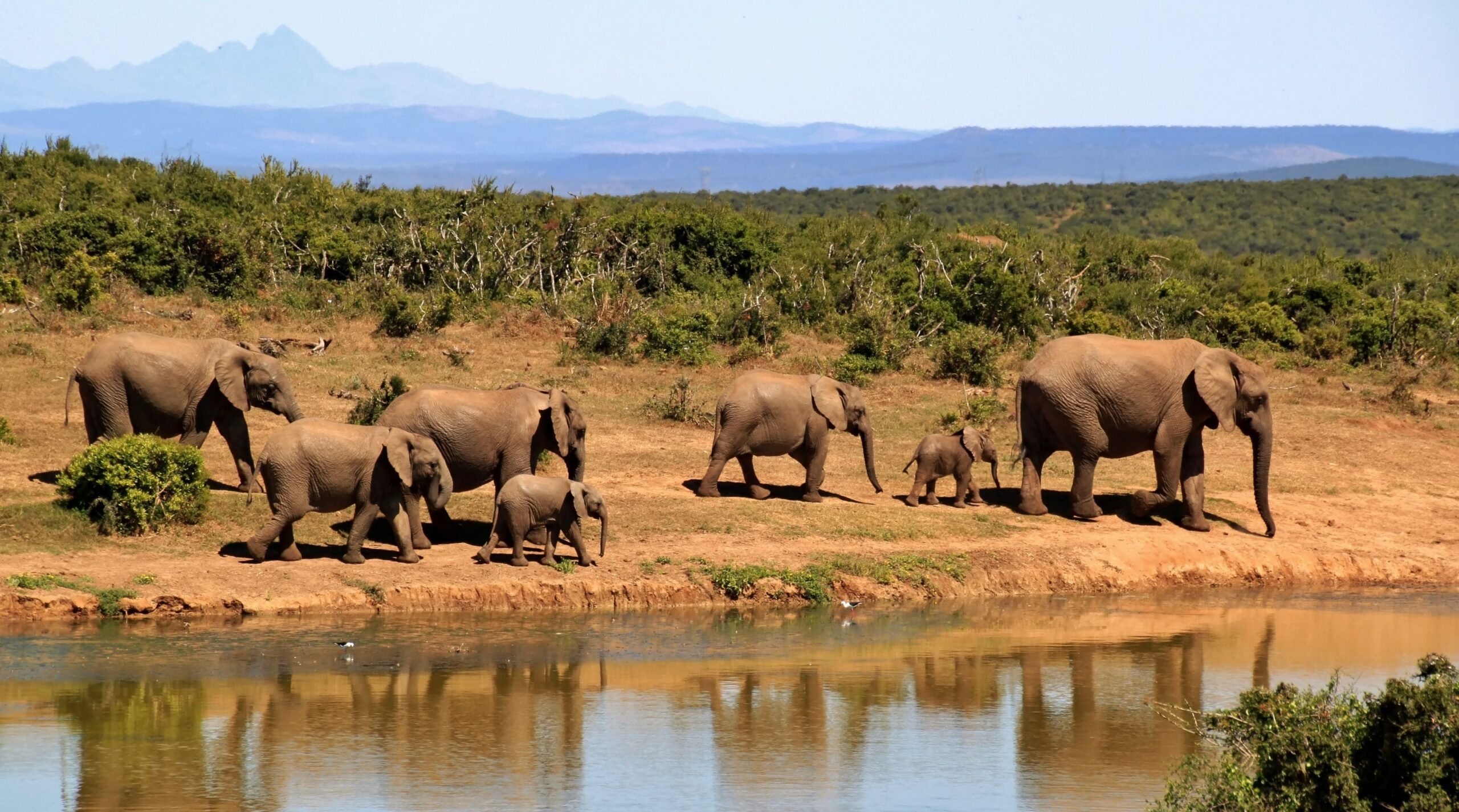
Chobe is best known for its elephants. Botswana holds the world's largest elephant population, with large herds gathering along the Chobe River, particularly in the dry season. Boat safaris here put you alongside drinking and swimming elephants, and the park is easy to combine with a visit to nearby Victoria Falls.
Moremi Game Reserve
Moremi sits within the eastern Okavango Delta and mixes lagoons, floodplains and woodland, which supports a wide range of species including African wild dogs and the Big Five. It is also one of the continent's richer birding areas, with hundreds of bird species recorded across its varied habitats.
The Kalahari
The Central Kalahari Game Reserve is a semi-arid wilderness of grassland and ancient riverbeds, home to black-maned lions, meerkats and seasonal herds. It is one of the largest protected areas on earth and rewards travelers looking for remote, uncrowded landscapes and strong night skies.
Questions to Ask Any Operator Before You Book
A short list of direct questions will tell you quickly whether a package is priced and planned honestly. Before you commit, ask:
- What exactly is included, and which park fees, conservation levies or charter flights are quoted separately?
- What is the guide certification and the guide-to-guest ratio?
- What is the maximum group size on game drives?
- How does the itinerary adapt if seasonal flooding or weather changes access?
- What is the cancellation and rebooking policy, and is travel insurance required?
- Which transfers are by air and which are by road, and how long are the road sections?
An operator who answers these clearly, in writing, is one you can plan around. Vague inclusions and evasive answers on fees are the most common sources of trip-day surprises.
Why a Guided, Locally Run Package Beats a DIY Trip
Botswana rewards local knowledge more than most safari destinations. Many of the best camps sit on private concessions reachable only by charter flight, park permits and gate logistics are easier to handle through an operator, and the water-based Delta areas require guiding to navigate safely. Piecing this together yourself from abroad usually costs more time and risk than it saves in money.
A locally run operator such as Savanna Safaris coordinates the charter flights, camp bookings, certified guides and park fees as one itinerary, and can adjust routing when floods or seasons shift the best viewing. That coordination is the real product you are buying, not just a bed and a vehicle.
Your next step is practical: decide your travel month and your must-see region first, then request a detailed, itemized quote and compare it against the questions above. With those two choices locked in, a good operator can build the right package around them, and you will know exactly what you are paying for before you leave home. You can start that conversation with the team at Savanna Safaris.
Frequently asked questions
How much does a Botswana safari package cost?
Cost varies widely by style. Self-drive and mobile camping trips sit at the lower end, while fly-in lodge packages on private concessions are the most expensive because they include charter flights, luxury accommodation and all meals.
What is the best time of year for a Botswana safari?
The dry season from May to October offers the strongest wildlife viewing because animals gather at shrinking water sources. The green season from November to April brings lush scenery, newborn animals and lower prices.
Are park fees included in a Botswana safari package?
In most fly-in and mobile camping packages, park entry and conservation fees are included in the quoted price. Self-drive trips usually require you to pay these fees separately at park gates, so always confirm before booking.
Which Botswana region is best for seeing elephants?
Chobe National Park is the best choice for elephants. Botswana holds the world's largest elephant population, and large herds concentrate along the Chobe River, especially during the dry season.
Is a guided package better than planning a Botswana safari myself?
For most international travelers, yes. A locally run operator handles charter flights, remote camp bookings, park permits and certified guides, which are difficult to coordinate alone across Botswana's wilderness areas.


